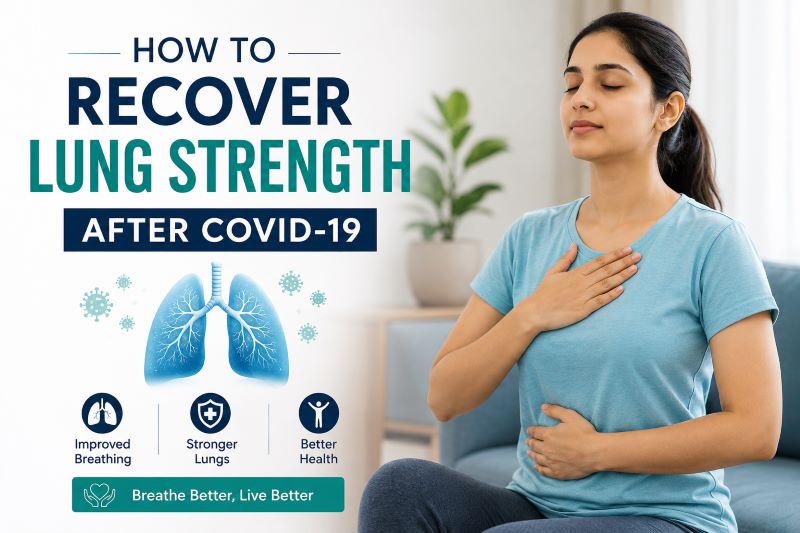
How to Recover Lung Strength After COVID-19
How to Recover Lung Strength After COVID-19: A Complete Rehabilitation Guide
Although many people recover from COVID-19 within a few weeks, some continue to experience breathing difficulties, fatigue, chest discomfort, and reduced physical stamina for months. These lingering symptoms can affect daily life and make even simple activities feel exhausting.
The good news is that with the right approach, it is possible to rebuild lung strength and regain confidence in your breathing. Through post-COVID rehabilitation, patients can improve lung function, increase endurance, and return to their normal routines safely.
If you are experiencing persistent breathing issues after COVID-19, you can explore our Post-COVID Rehabilitation Program for personalised recovery support.
Why Does COVID-19 Affect Lung Strength?
COVID-19 primarily affects the respiratory system. Even after the infection has cleared, inflammation in the lungs can persist, leading to:
- Shortness of breath
- Reduced lung capacity
- Fatigue during physical activity
- Chest tightness
- Persistent cough
- Muscle weakness
In severe cases, patients may require a structured recovery plan to restore normal breathing patterns and physical function.
According to the World Health Organisation, some individuals continue to experience symptoms for weeks or months after recovering from COVID-19, making rehabilitation an important part of long-term recovery.
Common Signs You Need Post-COVID Rehabilitation
You may benefit from rehabilitation if you experience:
1. Shortness of Breath
If climbing stairs or walking short distances leaves you breathless, your lungs may still be recovering.
2. Persistent Fatigue
Feeling tired even after adequate rest is a common post-COVID symptom.
3. Reduced Physical Stamina
Many patients notice they cannot perform activities they handled easily before the infection.
4. Ongoing Cough
A lingering cough may indicate airway irritation or incomplete recovery.
5. Difficulty Taking Deep Breaths
If deep breathing feels uncomfortable or restricted, rehabilitation may help improve lung expansion.
You can also learn about the early signs of lung disease to better understand symptoms that should not be ignored.
Effective Ways to Recover Lung Strength After COVID-19
1. Start with Breathing Exercises
Breathing exercises help expand lung capacity and improve oxygen exchange.
Some effective techniques include:
- Diaphragmatic breathing
- Pursed-lip breathing
- Deep breathing exercises
- Alternate nostril breathing
For detailed instructions, read our guide on Breathing Exercises for Lung Strength.
2. Gradually Increase Physical Activity
Start with light walking and gradually increase your activity level. Overexertion can delay recovery, so progress should be slow and controlled.
A rehabilitation specialist can help create a personalised exercise plan based on your condition.
3. Practice Airway Clearance Techniques
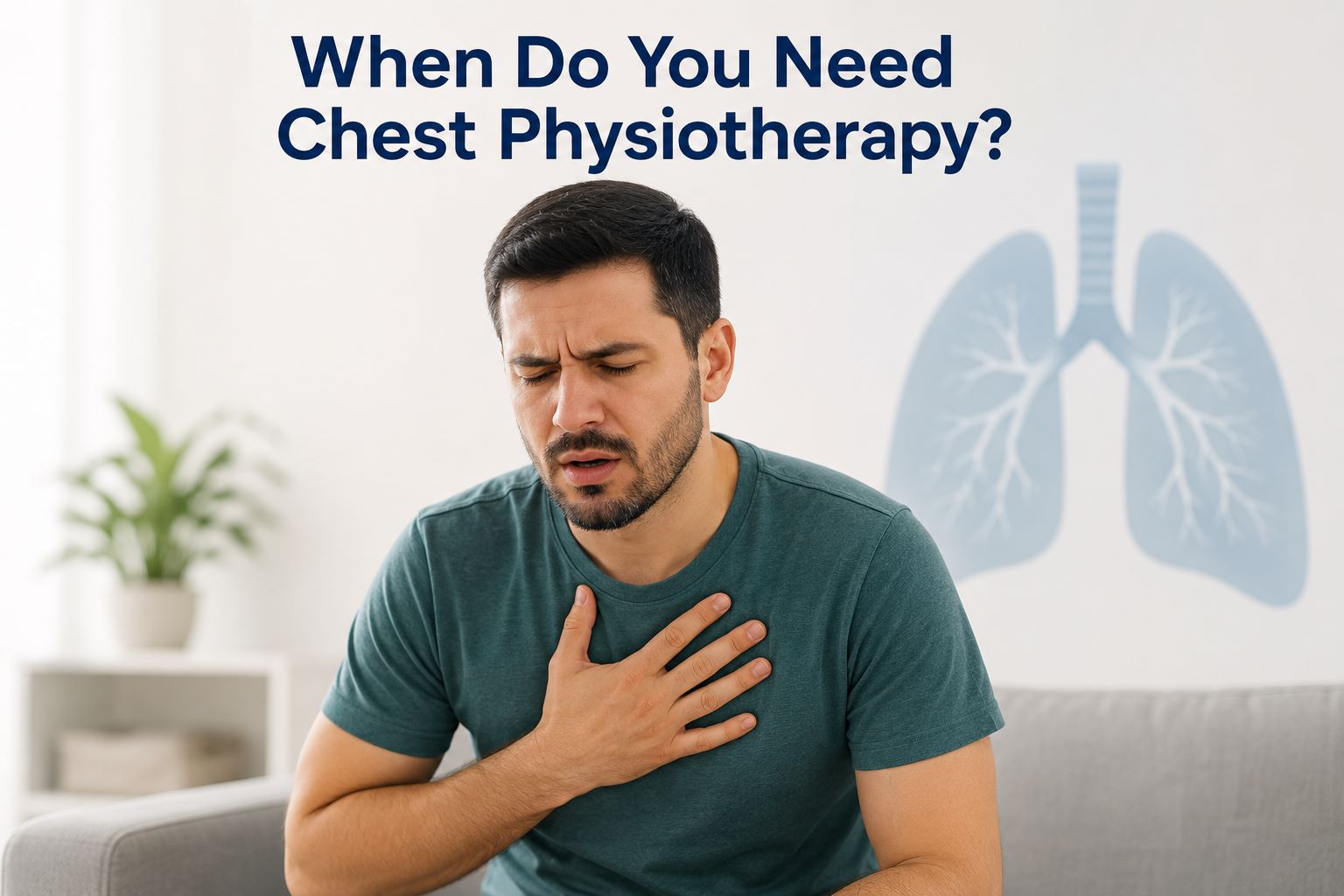
Patients with mucus buildup may benefit from chest physiotherapy techniques that help clear the lungs and improve breathing.
Learn more in our guide: When Do You Need Chest Physiotherapy? Signs & Benefits.
4. Stay Hydrated
Drinking enough water helps thin mucus, making it easier to clear from the airways.
Proper hydration also supports overall recovery and energy levels.
5. Follow a Healthy Diet
A balanced diet rich in:
- Fruits
- Vegetables
- Lean proteins
- Whole grains
can support healing and improve energy levels during recovery.
How Pulmonary Rehabilitation Helps After COVID-19
Many patients recover faster with a structured pulmonary rehabilitation program.
Pulmonary rehabilitation combines:
- Supervised exercise training
- Breathing retraining
- Lung strengthening exercises
- Education and lifestyle guidance
- Progress monitoring
You can learn more about Pulmonary Rehabilitation and how it supports long-term respiratory health.
Benefits of Post-COVID Rehabilitation
Improved Breathing
Patients learn techniques that make breathing easier and more efficient.
Better Lung Capacity
Exercises help strengthen respiratory muscles and improve oxygen intake.
Increased Energy Levels
As lung function improves, patients often notice reduced fatigue.
Enhanced Quality of Life
Daily activities become easier and more comfortable.
Faster Recovery
A structured rehabilitation plan helps patients return to normal life sooner.
When Should You Seek Professional Help?
You should consider professional rehabilitation if:
- Breathlessness persists for more than a few weeks
- Fatigue interferes with daily activities
- You experience chest discomfort
- Oxygen levels remain low
- Exercise tolerance has decreased significantly
Early intervention often leads to better outcomes and quicker recovery.
Final Thoughts
Recovering from COVID-19 is not always the end of the journey. For many people, rebuilding lung strength takes time, patience, and the right support.
Through breathing exercises, gradual physical activity, chest physiotherapy, and pulmonary rehabilitation, you can regain your lung health and improve your quality of life.
If you’re experiencing ongoing breathing difficulties after COVID-19, contact our rehabilitation specialists today and take the first step toward a stronger recovery.