10 Early Signs of Lung Disease You Should Never Ignore
Your lungs work silently every second-until something goes wrong. Most lung diseases don’t appear suddenly; they develop slowly, often showing subtle warning signs that are easy to ignore.
Recognising these early symptoms can make a huge difference. Timely diagnosis not only improves treatment outcomes but can also prevent serious complications. If you’re already experiencing breathing issues, you can explore our pulmonary rehabilitation services to get professional support.
Let’s look at the early signs of lung disease you should never overlook.
1. Persistent Cough
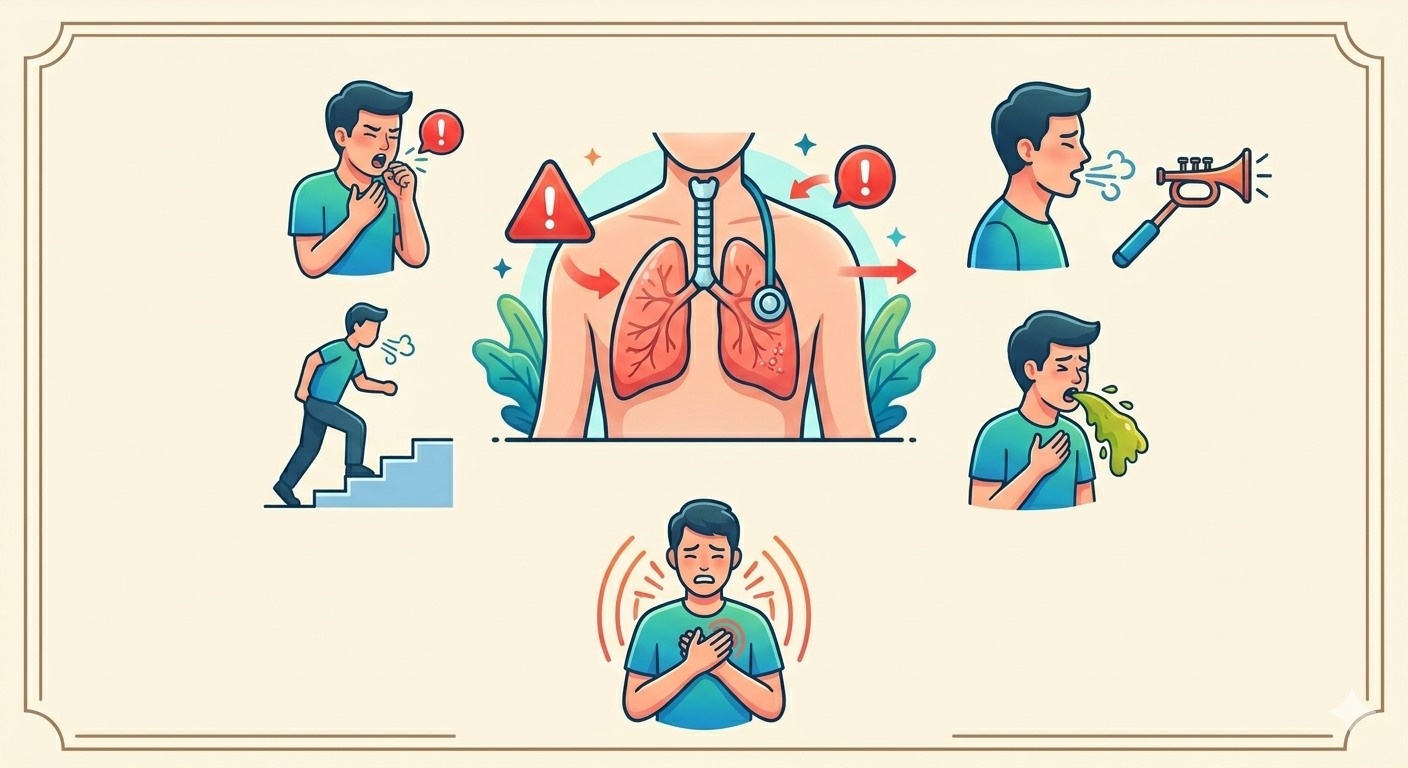
A cough that lasts more than 2-3 weeks is not normal. It could indicate conditions like chronic bronchitis, asthma, or even early-stage lung infections.
2. Shortness of Breath
If you find yourself getting breathless during simple activities like walking or climbing stairs, it may be a sign your lungs are not functioning properly.
3. Wheezing
A whistling sound while breathing often indicates narrowed airways. This is commonly seen in asthma and COPD patients.
4. Chest Tightness or Pain
Any unusual discomfort in your chest, especially during breathing, should not be ignored. It could be linked to lung inflammation or infection.
5. Excessive Mucus Production
Frequent mucus or phlegm buildup, especially if it lasts for weeks, may indicate a chronic respiratory condition.
6. Fatigue and Low Energy
When your lungs don’t supply enough oxygen, your body feels tired-even without heavy activity.
7. Frequent Respiratory Infections
Repeated colds, bronchitis, or chest infections can signal weak lung health. According to global health data from the World Health Organization (WHO)respiratory diseases are among the leading causes of death worldwide.
8. Bluish Lips or Fingertips
This is a serious sign of low oxygen levels in the blood and requires immediate medical attention.
9. Unexplained Weight Loss
Sudden weight loss without any clear reason may be associated with chronic lung conditions.
10. Reduced Exercise Tolerance
If you can’t do activities you once managed easily, your lung capacity may be declining.
When Should You See a Doctor?
If you experience any of these symptoms for more than a couple of weeks, it’s time to consult a specialist. Early diagnosis can help manage or even reverse some conditions.
How Pulmonary Rehabilitation Can Help
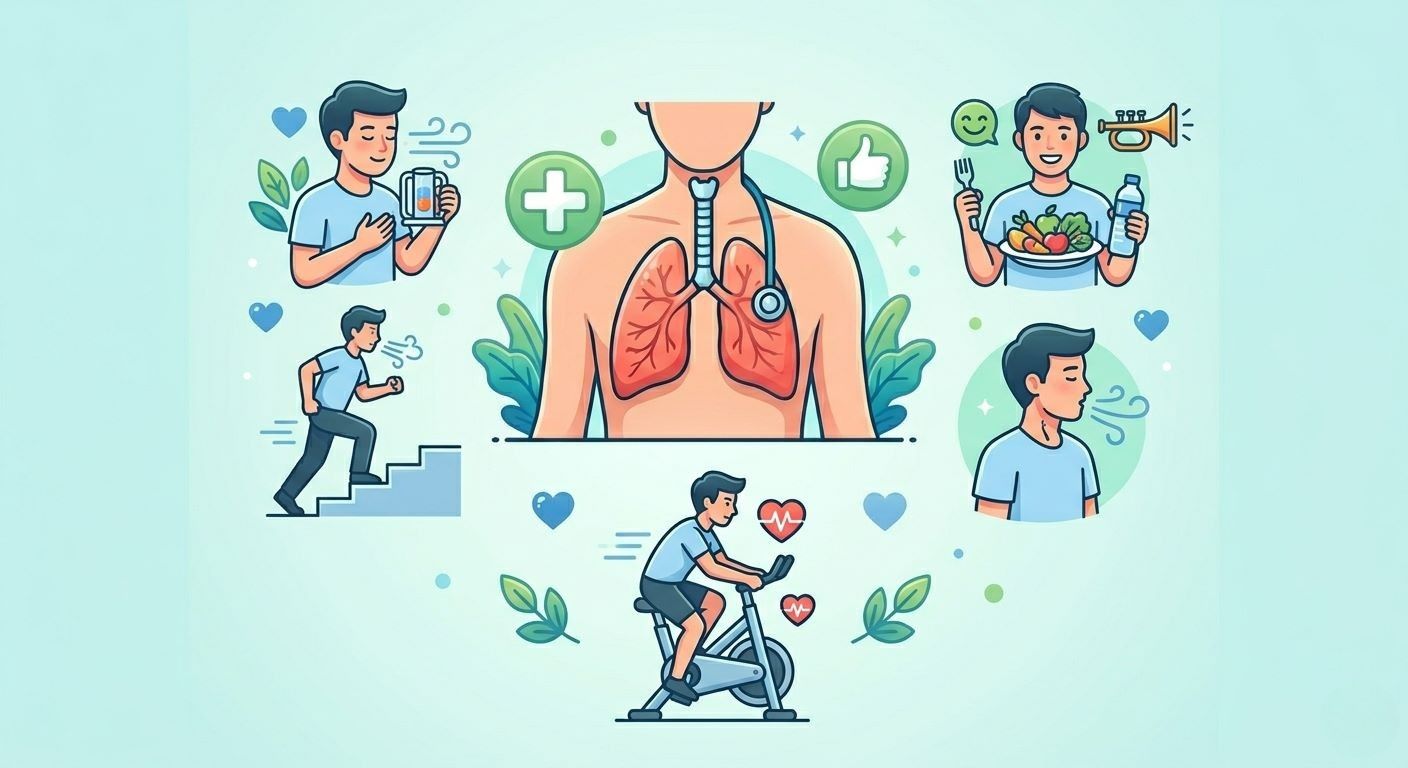
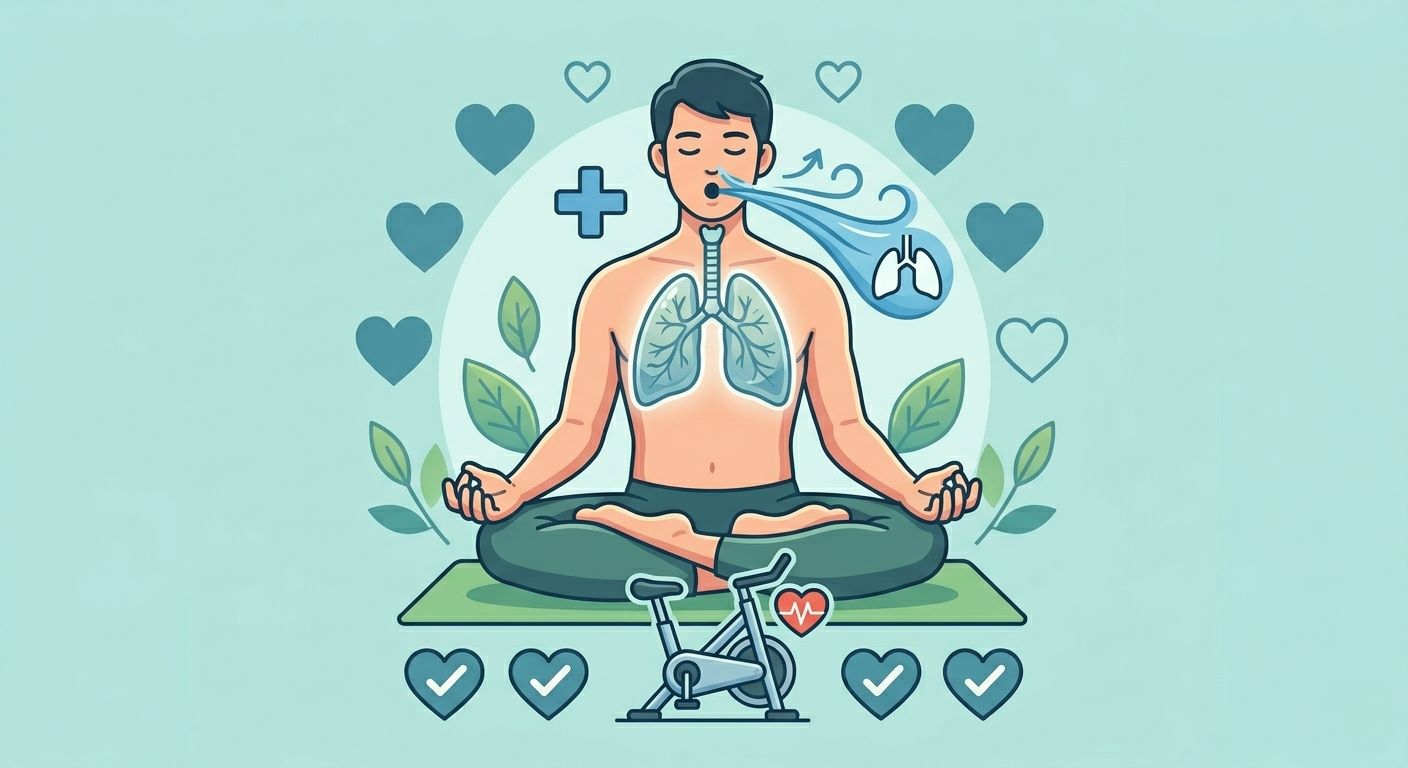
Pulmonary rehabilitation is a structured program that includes exercise training, breathing techniques, and lifestyle guidance. It helps improve lung function, reduce symptoms, and enhance quality of life.
Final Thoughts
If you or your loved ones are facing breathing problems, contact our pulmonary experts today for personalised consultation and care.