Pulmonary Rehabilitation
What is Pulmonary Rehabilitation? Benefits, Process & Who Needs It
Breathing is something we often take for granted—until it becomes difficult. For people suffering from chronic respiratory conditions, even simple activities can feel exhausting.
This is where pulmonary rehabilitation plays a life-changing role. If you or your loved ones are facing breathing difficulties, you can explore our pulmonary rehabilitation services for expert care and personalised treatment.
What is Pulmonary Rehabilitation?
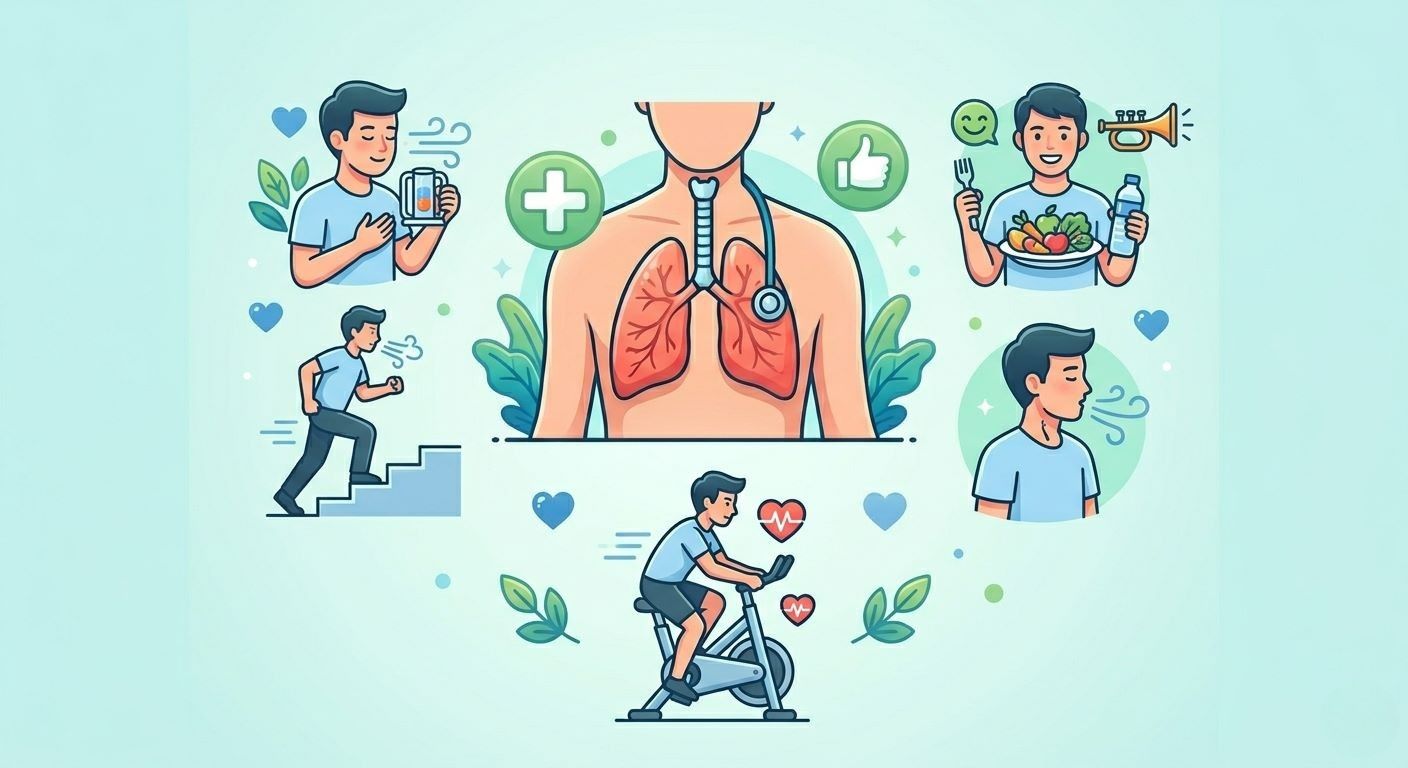
Pulmonary rehabilitation is a medically supervised program designed to improve lung function and overall well-being in people with breathing difficulties.
It combines exercise training, education, and lifestyle changes to help patients live better. You can also read about the early signs of lung disease to understand when rehabilitation may be needed.
Benefits of Pulmonary Rehabilitation
1. Improved Breathing
Patients learn techniques that make breathing easier and more efficient. Practising breathing exercises for lung strength can further enhance these results.
2. Increased Stamina
Regular training improves physical strength and endurance.
3. Better Quality of Life
Daily activities become easier and less tiring.
4. Reduced Hospital Visits
Proper management reduces complications and emergencies. According to the World Health Organisation, respiratory diseases are among the leading causes of health issues worldwide.
5. Emotional Support
Patients receive counselling and support to cope with anxiety or depression.
The Pulmonary Rehabilitation Process
Step 1: Initial Assessment
Doctors evaluate your lung function, medical history, and physical condition.
Step 2: Personalised Plan
A customised program is designed based on your needs.
Step 3: Exercise Training
Includes walking, cycling, and strength exercises.
Step 4: Breathing Techniques
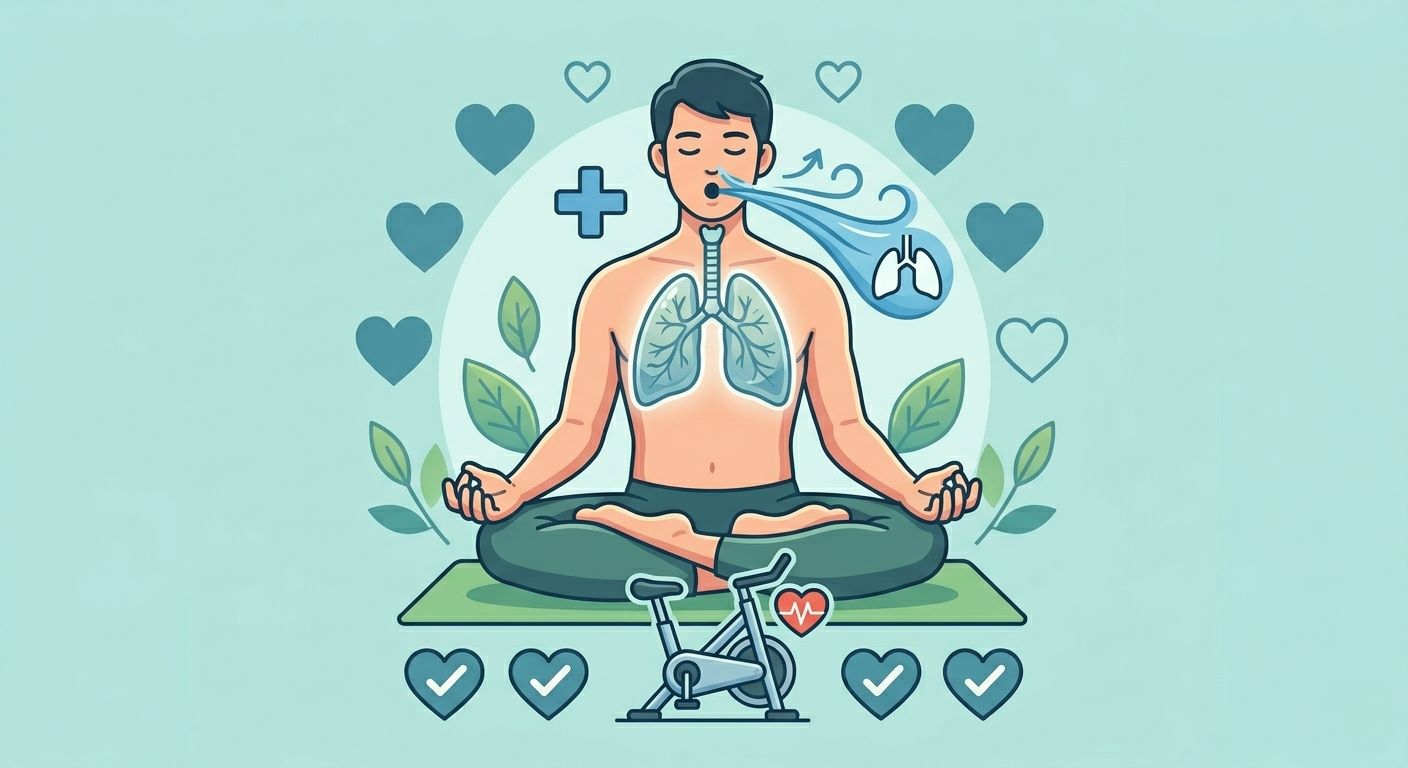
Techniques like pursed-lip breathing are taught. You can also try guided breathing exercises at home.
Step 5: Education & Lifestyle Guidance
Patients learn about nutrition, medication, and self-care.
Who Needs Pulmonary Rehabilitation?
- COPD patients
- Asthma sufferers
- Post-COVID recovery patients
- Lung fibrosis patients
- People with chronic breathing problems
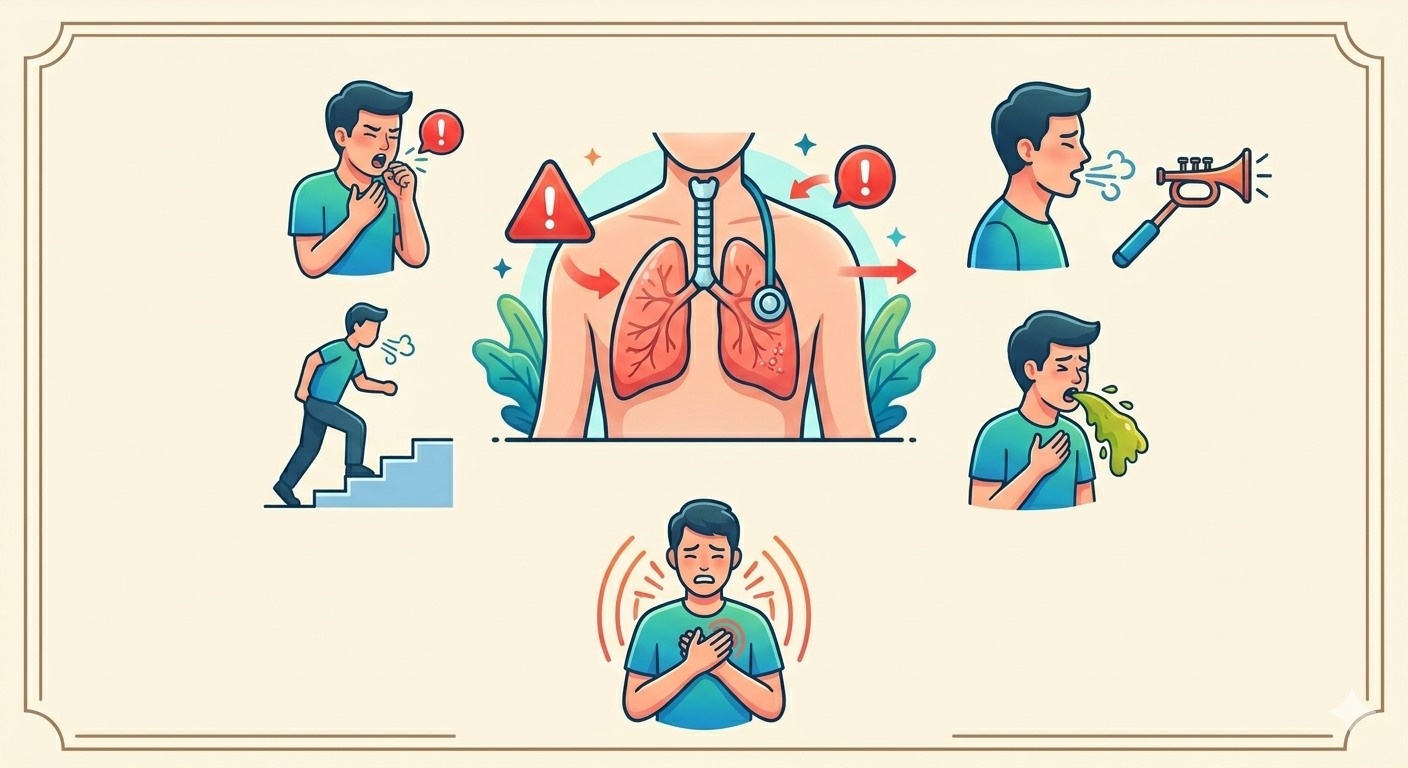
If you notice symptoms like breathlessness or fatigue, check out our guide on early warning signs of lung disease.
When Should You Start?
If breathing issues affect your daily life, don’t wait. Early rehabilitation leads to better recovery and long-term results.
You can visit our pulmonary rehabilitation program page to get started with professional guidance.
Final Thoughts
Pulmonary rehabilitation is not just treatment—it’s a pathway to a healthier, more active life.
If you or your loved ones are facing breathing problems, contact our pulmonary experts today for personalised consultation and care.